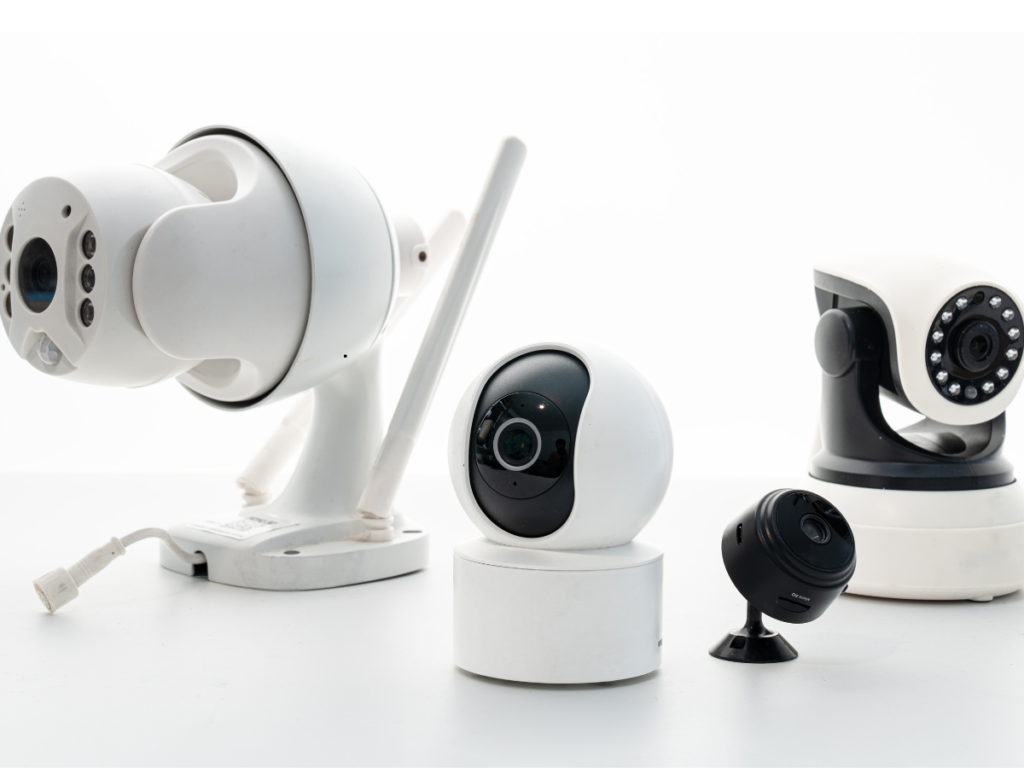
Lights that dim when appliances start signal voltage drops from an overloaded or failing panel, often pointing to worn bus bars or loose connections.
Electrical Panel Upgrades & Repairs in Walnut Creek, CA
We at Electric Heroes are a licensed electrical contractor (CSLB #1054647) and provide expert electrical panel upgrades and repairs across Walnut Creek and the East Bay. Since 2015, our team has delivered safe, code-compliant panel work with clear guidance, transparent pricing, and experience that hundreds of local homeowners trust.
Signs A Panel Upgrade Is Needed
1. Frequent Breaker Trips
Breakers that trip repeatedly indicate your panel can no longer handle household demand, a common issue when modern appliances overload older 100-amp systems.
2. Flickering or Dimming Lights
3. Outdated or Recalled Panels
Zinsco and Federal Pacific panels are known fire hazards that fail to trip during faults, and most insurers now require their replacement.
4. Burning Smells, Heat, or Buzzing
Warm breakers, scorch marks, or buzzing sounds inside the panel indicate arcing or overheating wiring, a serious fire risk requiring immediate professional inspection.
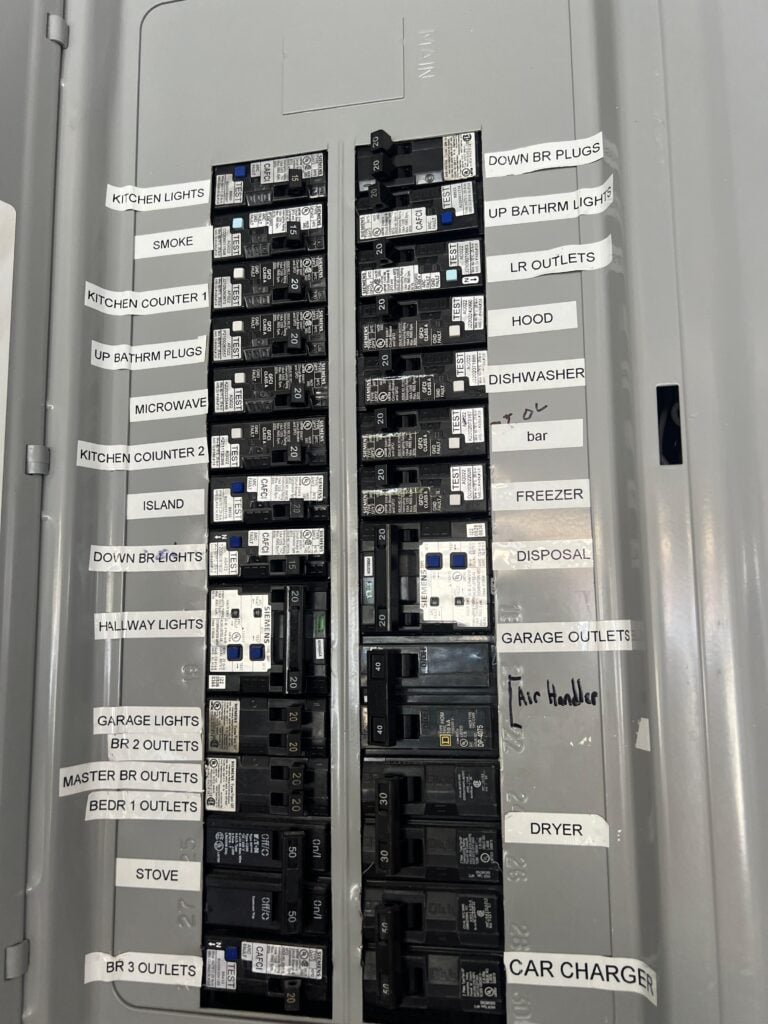
Replace Your Electrical Panel with a Local Walnut Creek Electrician
Working with a local electrician for electrical panel box replacement means faster response times, direct knowledge of Walnut Creek permit requirements, and established coordination with PG&E for service disconnects and meter work. An aging panel restricts your home’s capacity and puts every downstream circuit at risk, so timely replacement protects both your wiring and the appliances connected to it. We manage the complete process: load calculations, permit filing, panel and breaker installation, grounding and bonding corrections, and final city inspection. We also upgrade meter mains and add sub-panels where garages, ADUs, or workshops need dedicated capacity.
Panel Upgrade Options & Amperage
Selecting the right amperage is the most important decision when you replace electrical panel equipment, because undersized service leaves no room for future loads while oversized service adds unnecessary cost. Most older homes still run on 100-amp panels, which struggle when EV chargers, heat pumps, induction ranges, or hot tubs come into the picture. Electric Heroes performs a detailed load calculation to determine whether 125-amp, 200-amp, or even 400-amp service fits your household, then handles the matching meter main, breakers, and grounding. We also install sub-panels for detached structures and prepare panels for solar or battery integration.
Our Electrical Panel Box Replacement Process
1. On-Site Evaluation & Load Calculation
Our licensed electrician inspects your existing panel, wiring condition, and grounding, then performs a load calculation to determine the correct amperage and equipment for your home’s demand.
2. Permits & PG&E Coordination
We file the city permit, schedule the utility disconnect with PG&E, and arrange inspection dates upfront so the entire replacement stays compliant and on schedule.
3. Panel Installation & Circuit Transfer
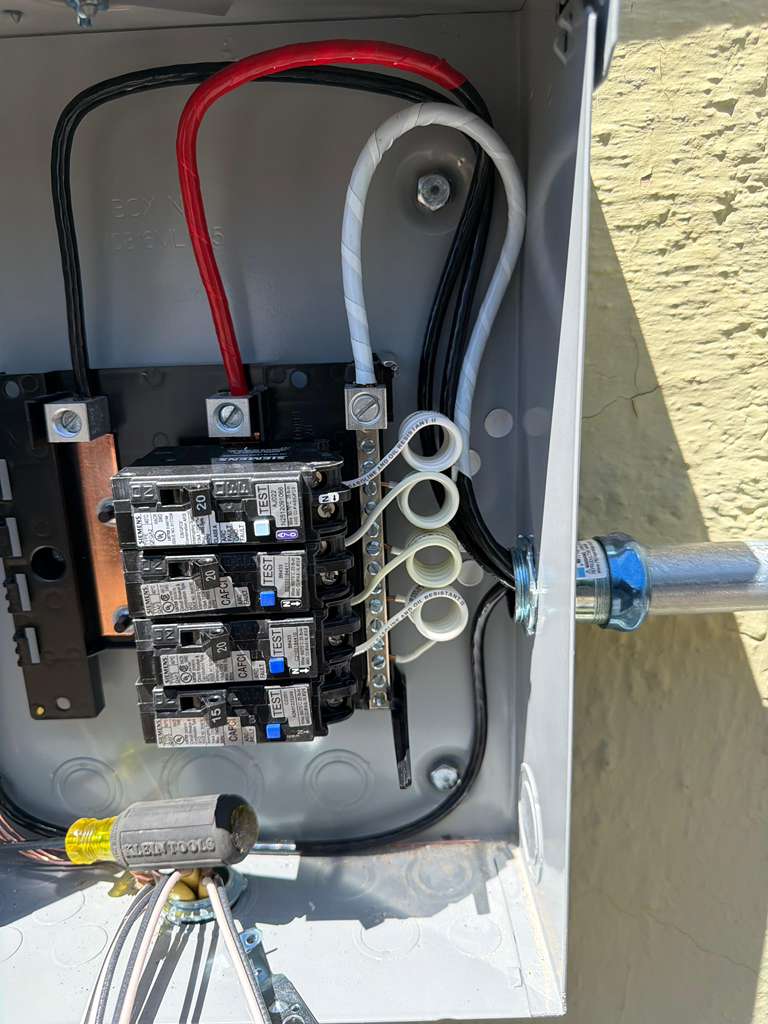
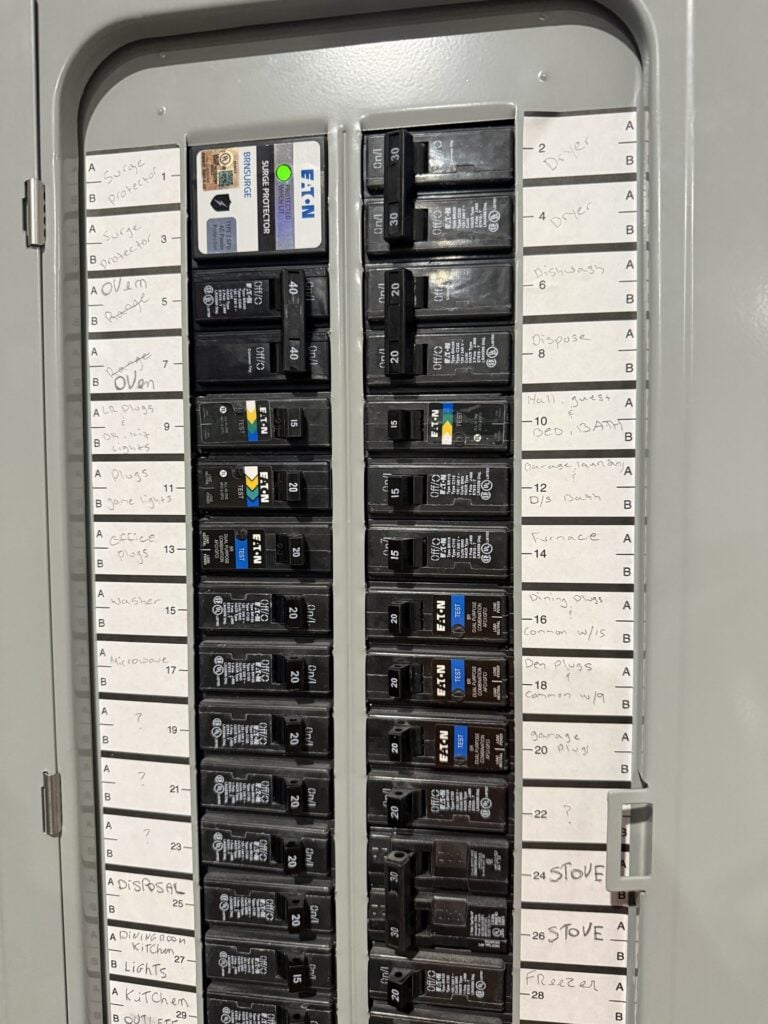
Our team removes the old equipment, mounts the new panel, transfers and labels every circuit, and installs modern electric panels for homes with AFCI and GFCI protection per current code.
4. Inspection, Testing & Power Restoration
We test every breaker under load, verify grounding and bonding, walk the city inspector through the work, and restore power the same day whenever possible.
Cost to Install a New Electrical Panel in Concord & Walnut Creek
The cost to install a new electrical panel in Concord and Walnut Creek typically ranges from $2,000 to $5,500, depending on the panel size, amperage, home layout, permit requirements, and whether additional wiring or service upgrades are needed. Replacing an older 100-amp panel with a 200-amp panel generally falls within this range, while more complex installations may cost more. Homes requiring meter upgrades, new grounding, or circuit modifications can increase the overall price. We evaluate your home’s electrical needs, recommend the appropriate panel, and provide a detailed, transparent estimate before any work begins.
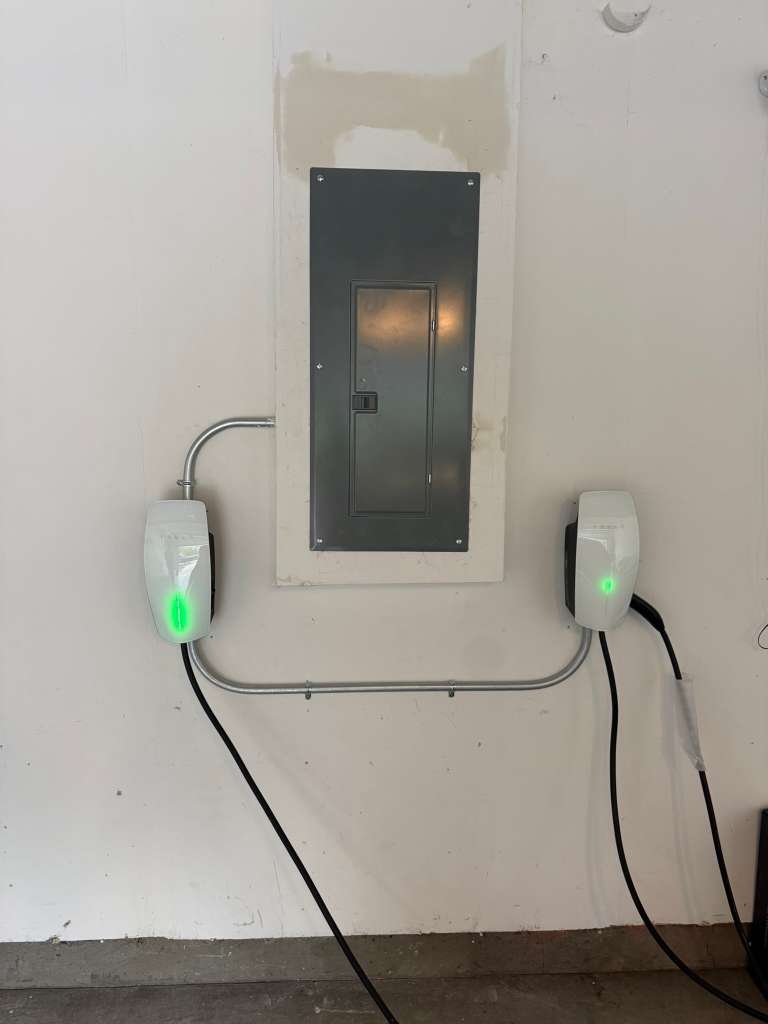
Panel Upgrades for EV Chargers & Multifamily Properties
EV charging places sustained, high-amperage demand on residential service, and many homes must install new electrical panel capacity before a Level 2 charger can operate safely. We specializes in EV charging infrastructure, providing load calculations, engineering plans, and power management solutions that maximize charging capability without oversizing your service. For multifamily properties, we design shared charging systems with load-sharing technology, dedicated sub-panels, and metering configurations that distribute costs fairly among units. Every project accounts for future expansion, so property owners can add chargers later without repeating expensive panel work or utility upgrades down the road.
READY TO GET STARTED?
Same-Day Licensed Electrical Service
Call now for immediate service or book your appointment online.
FAQs About Electrical Panel Upgrades
An upgraded panel supplies enough capacity for modern appliances, eliminates overload risks, meets current NEC code, and often lowers insurance concerns tied to outdated equipment.
Yes, in most cases. The panel and breakers are replaced while existing branch circuits stay intact, unless our inspection reveals damaged or unsafe wiring.
Most residential upgrades are completed in one day, typically 6–8 hours on site. Permit approval and PG&E scheduling add a few days beforehand.
Yes. Walnut Creek requires a city permit and final inspection for all panel work. Electric Heroes files the paperwork and coordinates inspections for you.
Absolutely. New panels include AFCI and GFCI protection, reliable breakers that trip properly during faults, and corrected grounding — dramatically reducing fire and shock hazards.
Yes, we do, contact us to discuss current payment options. We provide detailed written estimates upfront, so you know the full project cost before any work begins.
Request Service Today
SERVICE AREA
Electrician Serving the Full East Bay
- Walnut Creek, CA
- Concord, CA
- Pleasant Hill, CA
- Lafayette, CA
- Alamo, CA
- Danville, CA
- Martinez, CA
- Orinda, CA
- Moraga, CA
- Clayton, CA